Oral Surgeon for Jaw Misalignment
Orthognathic surgery, or corrective jaw surgery, is a commonly performed procedure for patients whose jaws do not meet correctly, creating an improper bite and misalignment of the jaw. For some individuals, the problem can be corrected without jaw surgery with their orthodontist. In more severe cases, the orthodontist will need to work with an oral surgeon to correct the bite with orthognathic surgery.

At the Oral & Facial Surgery Institute of Houston, board-certified oral surgeon Dr. L.T. Johnson is well-versed in these intricate treatments. He’ll work with your orthodontist to ensure functional and aesthetic improvements if you’re dealing with significant jaw discrepancies.
What Is Orthognathic Surgery?
Orthognathic surgery is a surgical procedure meant to help correct any abnormalities with the jaw bones and facial structures. This procedure is performed by an oral surgeon (like Dr. Johnson) and an orthodontist.
Orthognathic surgery can help treat the following:
- Malocclusions - A malocclusion is when your jaw is misaligned. There are four types of malocclusions: overbite, underbite, open bite, and crossbite. An overbite is when the jaw protrudes over the lower jaw. An underbite is when the lower jaw overlaps the upper jaw. Open bites are when there is a gap between the upper and lower teeth. Crossbites are when the upper teeth sit inside the lower teeth.
- Facial asymmetry - Facial asymmetry can be caused due to the misalignment of the jaw. Orthognathic surgery can help treat facial asymmetry by fixing the jaws' size, shape, or position.
- Having difficulty chewing - A misaligned jaw can make it difficult to chew.
- Breathing issues - Orthognathic surgery may be recommended if you suffer from obstructive sleep apnea or other breathing issues.
- Severe TMJ disorders - Those who suffer from a severe TMJ and cannot treat it through conventional methods may benefit from orthognathic surgery.
What to Expect During the Procedure

When you elect to undergo orthognathic surgery, your orthodontist will prepare your jaw beforehand with braces. Dr. Johnson will then separate your jaw, move the separated bones to their new positions, and secure them in place. After surgery, your orthodontist will make any small, fine corrections to finish the bite before removing your braces.
Recovery and Results
Recovery from orthognathic surgery is a gradual process that typically spans several weeks to months, depending on the extent of the surgery and individual patient factors.
In the initial weeks after surgery, you can expect swelling and some discomfort, which you can manage with prescribed medications. You may need to follow a soft or liquid diet and limited activities to ensure proper healing during this time.
As the weeks progress, you will have follow-up visits with Dr. Johnson and your orthodontist to monitor your recovery and make necessary adjustments to your treatment plan. Most patients can return to non-strenuous activities within a few weeks.
Complete healing and the final results of the surgery might not be fully apparent until about six to 12 months after surgery. Throughout this period, your care team will provide guidance on how to care for your surgical site and manage your recovery.
Why Do I Need Corrective Jaw Surgery?
Misaligned jaws can cause multiple problems inside your mouth and to your facial structure, including:
- The inability to properly chew and grind food
- Digestive problems
- Dental crowding
- Poor oral hygiene
- Increased risk of dental caries and periodontal disease
- Shorter tooth lifespan
- Snoring and sleep apnea
- The inability to fully close the lips
- Heavy breathing
- Impaired speech function
- Poor facial aesthetics
Many of these problems can have serious consequences for your mouth and face health. It’s very important to diagnose your jaw irregularities and treat them early to reduce these risks.
While orthognathic surgery aims to correct the functional problem with the jaw, this procedure also results in improved aesthetics and facial proportions.
Benefits of Jaw Surgery
Patients who elect to undergo corrective jaw surgery can expect to see several benefits, including:
- Improved chewing, speech, and respiratory function
- Decreased likelihood of short- and long-term relapse
- Enhanced facial harmony, balance, and aesthetic appearance
- Minimal treatment time
- Long-lasting results
The surgical team at Oral & Facial Surgery Institute of Houston is uniquely trained, and they are experts at performing corrective jaw surgery. They thoroughly enjoy seeing the positive transformations and results that follow orthognathic treatment.
Why Choose Oral & Facial Institute of Houston?
At the Oral & Facial Surgery Institute of Houston, you're in great hands with Dr. L.T. Johnson and his team. They're not just experts in their field; they genuinely care about making your experience as comfortable and successful as possible. Dr. Johnson, a board-certified oral and maxillofacial surgeon, brings a wealth of experience from his training at Meharry Medical College and his innovative work with All-on-4 dental implants.
Whether you need dental implants, corrective jaw surgery, or facial trauma care, the team at OFSIH offers comprehensive services to improve both your health and your confidence.
Frequently Asked Questions
Am I a candidate for orthognathic (corrective jaw) surgery?
Orthognathic surgery is typically recommended when jaw position or bite issues are too severe to correct with orthodontics alone. You may be a candidate if you have an overbite, underbite, open bite, crossbite, facial asymmetry related to jaw position, difficulty chewing, speech concerns, or jaw discomfort linked to your bite.
During a consultation, we evaluate your bite and jaw function, review your health history, and coordinate with your orthodontist to confirm whether surgery is appropriate.
What happens at a jaw surgery consultation?
Your visit usually includes a bite and jaw evaluation, a discussion of symptoms and goals, and a review of your orthodontic timeline. Imaging and records (photos, scans, or models) may be recommended for planning, then we outline next steps and what recovery may look like.
What imaging or scans are used for surgical planning?
Planning may include panoramic and cephalometric X-rays, plus 3D cone-beam CT imaging when indicated. These images help evaluate jaw position, tooth roots, and bone anatomy, and they support detailed planning and coordination with orthodontics.
What type of anesthesia is used during orthognathic surgery?
Orthognathic surgery is performed under general anesthesia, so you are asleep and comfortable throughout the procedure. Your anesthesia team monitors you closely during surgery and recovery.
Are incisions made inside or outside the mouth?
Most orthognathic surgery incisions are made inside the mouth, which helps avoid visible facial scars. In select cases, small external incisions may be recommended, and these are placed to be as discreet as possible.
Is jaw wiring still used after surgery?
Traditional jaw wiring is uncommon today. Modern techniques typically use plates and screws to stabilize the jaw bones internally. Elastics may still be used in certain cases to guide the bite during healing.
How long is recovery from corrective jaw surgery?
Initial swelling and discomfort are often most noticeable in the first 1 to 2 weeks. Many patients return to non-strenuous activities within a few weeks. Full healing and final bite refinement can take several months, and your orthodontist may continue fine-tuning your bite after surgery.
Can orthognathic surgery help with breathing or sleep apnea?
In certain patients, jaw alignment can contribute to airway concerns. Orthognathic surgery may be part of a treatment plan for breathing issues or obstructive sleep apnea when evaluated and recommended by your care team. If sleep apnea is a concern, we can discuss screening and coordinate care.
More Information About Orthognathic (Corrective Jaw) Surgery:
Schedule a Consultation
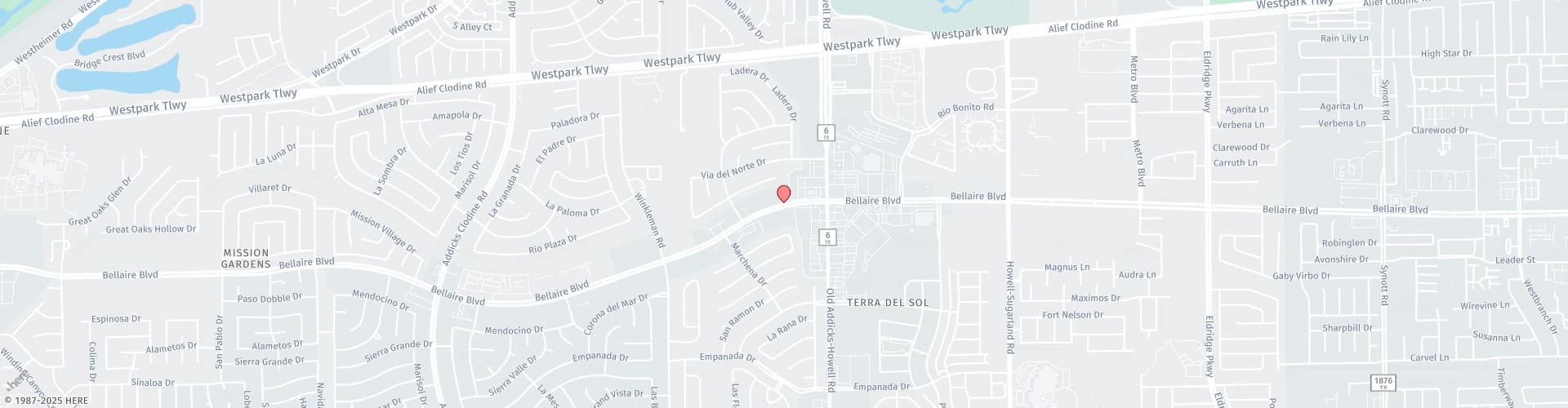
If you think you need jaw surgery, we invite you to call 281-491-4545 to schedule a consultation at our office in Houston, TX. Our well-trained office staff and Dr. Johnson are happy to help restore your oral function in any way possible.
Medical review and updates
Medically reviewed by: L.T. Johnson, DDS, Board-Certified Oral and Maxillofacial Surgeon
Last updated: April 2026
Dr. L.T. Johnson is a board-certified oral and maxillofacial surgeon serving patients in Houston, Sugar Land, Katy, Pearland, Angleton, and surrounding communities. His practice focuses on corrective jaw surgery (orthognathic surgery), facial trauma, oral pathology, IV sedation, wisdom teeth removal, bone grafting and sinus lift procedures, All-on-4 treatment, and dental implants.
Orthognathic surgery: planning, timeline, and aftercare
Corrective jaw surgery is a coordinated process between your oral surgeon and orthodontist. The goal is to improve bite function, jaw alignment, and facial balance when orthodontics alone cannot correct the underlying jaw discrepancy.
Common reasons patients consider jaw surgery
- Persistent bite problems (overbite, underbite, open bite, or crossbite)
- Difficulty chewing, speaking clearly, or closing the lips comfortably
- Jaw pain or fatigue that may be related to misalignment
- Facial imbalance or asymmetry associated with jaw position
- Breathing concerns, including snoring or obstructive sleep apnea (in select cases)
How treatment typically works
- Orthodontic preparation: Your orthodontist aligns the teeth so your bite can fit correctly once the jaws are repositioned.
- Surgical planning: Imaging and records support precise planning and coordination of the final bite.
- Surgery and healing: The jaws are repositioned and stabilized, then follow-up visits track healing and progress.
- Orthodontic finishing: Braces or aligners may continue for fine adjustments after surgery.
Explore related care
Related services
Need a general dentist? Visit our partner practice: general dentistry.